Random Brush Font Review: Authentic Texture for Handmade Brands
I was staring at a blank Canva canvas at 2 AM, trying to design a label for my new line of artisanal soy candles. The minimalist sans-serif looked too corporate, and the overly ornate calligraphy felt too formal for the cozy, rustic vibe I wanted. That’s when I pulled up Random Brush. It wasn’t just another script; it had that messy, authentic texture that screamed "handmade with love." After spending the last week testing this font on everything from sticker sheets to tote bag mockups, I’m here to share how this textured brush font can elevate your shop’s visual identity.
Why Random Brush Works for Boutique Packaging Design
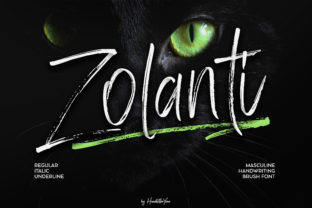
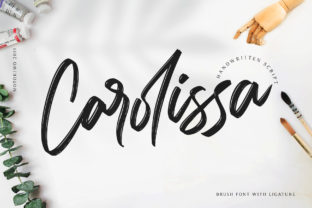
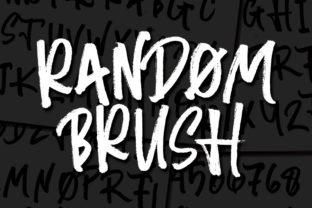
When you are selling physical products like candles, soaps, or baked goods, your packaging is often the first thing a customer sees. Random Brush brings an immediate sense of authenticity and warmth that generic fonts simply cannot replicate. As a textured brush font with an authentic vibe, it mimics the look of real paint strokes, which adds depth and character to flat designs. I tested this font on kraft paper labels and glossy vinyl stickers, and the texture held up beautifully against both backgrounds.
The "cool vibe" mentioned in its description isn’t just hype; it translates to a modern, approachable aesthetic that resonates with today’s consumers who value craftsmanship. Unlike rigid serif or sans serif fonts, this typeface feels organic. When used on product tags or boutique packaging, it suggests that the item inside was made by human hands, not a machine. This subtle cue can significantly boost perceived quality and emotional connection with your buyers. If you are looking to stand out in a crowded marketplace like Etsy or Shopify, using a creative font like Random Brush helps establish a distinct brand identity that feels personal and curated.
Random Brush for Wedding Invitations and Elegant Branding
While many might assume a "brush" font is only for casual crafts, I found that Random Brush has enough elegance to work for high-end stationery projects. I used it to draft a wedding welcome board mockup, pairing the bold, sweeping letters with ample negative space. The result was sophisticated yet relaxed—a perfect balance for modern weddings that favor farmhouse chic or bohemian styles over traditional stiffness.
This script handwritten style excels in display use, such as names, dates, and short titles. However, because it is a Fonts resource with a strong personality, it demands attention. I avoided using it for long paragraphs of text, as the texture can become fatiguing to read over time. Instead, I reserved it for the main headline of invitation suites and save-the-date cards. When paired with a clean, simple sans serif font for the details (like time and location), the contrast creates a professional hierarchy. This combination ensures that the artistic flair of Random Brush shines without sacrificing readability, a crucial factor for any designer working on editorial design or event branding.
Using Random Brush for Digital Downloads and Printables
If you create digital assets, such as planner pages, wall art, or social media graphics, typography is your primary tool. I tested Random Brush in various digital contexts, including printable quote posters and Instagram story templates. The textured edges give the digital files a tactile feel, making them appear more premium than standard vector text. For instance, I designed a set of motivational quote prints where Random Brush provided the focal point, while a light gray background kept the mood airy and modern.
For sellers of printables, the versatility of this font is a major asset. It works well for seasonal designs, such as holiday tags or summer sale banners, where a fun, energetic tone is desired. The "authentic vibe" helps these digital downloads feel less like stock images and more like bespoke creations. When preparing your listing images, ensure you showcase the font at different sizes to demonstrate its legibility. Buyers want to know if the text will remain clear when printed at small sizes for stickers or large sizes for wall decor. Random Brush generally performs well in medium-to-large sizes, but always test your specific layout before uploading to your shop.
Readability Tips for Cricut and Silhouette Users
For crafters who cut vinyl or cardstock using machines like Cricut or Silhouette, the intricacies of a font matter. I loaded Random Brush into my cutting software to create custom signs and shirt designs. Because it is a textured brush font, some of the finer details might get lost if the cut size is too small. I found that keeping the letter height above 3 inches for single-word designs ensured clean cuts and preserved the brush stroke effect.
Avoid using this font for tiny text on product labels or dense information panels. The texture can cause the letters to bleed together when scaled down, making instructions or ingredients illegible. For technical product instructions or legal disclaimers, stick to a reliable sans serif font. Use Random Brush strategically for the brand name or the main slogan on your merchandise. This approach maximizes the visual impact of the font while maintaining compliance with clarity standards. Additionally, check the file format compatibility with your cutting software; most modern systems handle this type of vector-based script font smoothly, allowing for easy resizing without pixelation.
Font Pairing and Commercial Licensing Considerations
To get the most out of Random Brush, thoughtful pairing is essential. Since this font carries a heavy visual weight due to its texture, it pairs best with lightweight, neutral typefaces. A simple geometric sans serif or a delicate handwriting font can complement it without competing for attention. I experimented with pairing it with a bold display font for secondary headers, but the result felt cluttered. The key is balance: let Random Brush be the star, and use supporting fonts to guide the reader’s eye through the rest of the design.
Before finalizing your designs for sale, always review the commercial font licensing terms. Ensure you have the right to use Random Brush on physical products, templates, and digital downloads. Some licenses restrict the number of items you can sell, while others allow unlimited usage. Understanding these details protects your business and respects the creator’s work. By combining a versatile, stylish typeface like Random Brush with proper licensing and smart design practices, you can create cohesive, high-quality products that resonate with your audience and drive sales.